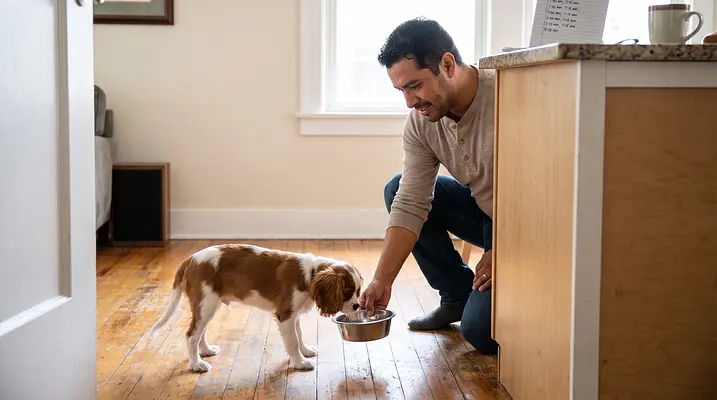
The water bowl is empty again - the third refill since breakfast - and your puppy is already circling back toward the door barely twenty minutes after the last trip outside. Puppies do pee a lot, but somewhere between "normal tiny bladder" and "something is wrong" there is a line, and it can be hard to tell when your dog has crossed it. This guide covers why puppies urinate so frequently, which patterns are perfectly healthy, and the red flags that mean it is time to call your vet.
🐶 The "Tiny Bladder" Reality
Understanding your puppy's physiology is the first step in determining if their frequency is actually excessive. Puppies have very small bladders and limited muscle control, meaning "holding it" is a skill they have to learn over time. Generally, a puppy can hold their bladder for roughly one hour for every month of age, but this varies based on breed, size, and activity level.
- Expect a two-month-old puppy to need a break every two hours, while a four-month-old might last four hours.
- Anticipate immediate needs after key triggers like waking up, finishing a meal, or an intense play session.
- Remember that excitement and fear can cause involuntary leaks that look like accidents but are actually submissive urination.
- Factor in breed differences, as toy breeds like Chihuahuas often need more frequent trips than larger breeds like Labradors.
🏥 Medical Causes: When It’s Not Just Training
If your puppy’s schedule seems way off the charts for their age, or if the urgency seems sudden and desperate, it might be time to consider medical factors. Urinary Tract Infections (UTIs) are incredibly common in puppies and can cause frequent, painful urination. More serious conditions like diabetes or kidney issues can also manifest as excessive thirst and urination, so it is vital to know the difference between a behavioral issue and a health red flag.
- Watch for straining or crying while urinating, which is a classic sign of a UTI or bladder stones.
- Check the urine for blood, a strong odor, or cloudiness, all of which indicate infection.
- Monitor water intake, as excessive drinking paired with excessive urination can signal diabetes or kidney problems.
- Observe their energy levels, since a puppy with a medical issue often acts lethargic or loses their appetite.
🚩 Red Flags That Warrant a Vet Visit
Distinguishing between a potty training regression and a medical emergency can be tricky. However, there are specific symptoms that should prompt an immediate phone call to your veterinarian. It is always better to be safe than sorry when dealing with a developing immune system.
- Call your vet if your puppy is squatting frequently but producing only a few drops of urine.
- Schedule an appointment if house-trained accidents happen suddenly after weeks of success.
- Seek immediate care if your puppy is vomiting, has a fever, or refuses to drink water.
- Note any changes in the "stream" of urine, such as a weak flow or constant dribbling.
📝 How a Pee Log Helps Your Vet
You might feel a little silly writing down every time your puppy squats, but this information is gold to a veterinarian. A detailed log takes the guesswork out of the diagnosis and helps the vet determine if this is a behavioral issue or a physiological one. Instead of saying "he pees a lot," you can provide concrete data that speeds up the diagnostic process significantly.
- Record the exact time of every accident and successful outdoor potty break.
- Note the approximate volume, describing it as "large puddle," "small dribble," or "just a few drops."
- Track water intake by measuring how much water you put in the bowl and how much is gone after an hour.
- Write down context clues, such as "right after eating," "during play," or "while sleeping."
🏠 Managing the Puddle Patrol
While you are monitoring for health issues, you still need to manage the household and protect your floors. Consistency is your best friend when navigating this phase, and a structured routine helps rule out behavioral causes. If the vet rules out medical issues, you can lean on these management strategies to get back on track with training.
- Take your puppy outside on a leash to the same designated spot every single time to build a habit.
- Use a crate for short periods when you cannot supervise directly, as dogs naturally avoid soiling their sleeping area.
- Clean accidents with an enzymatic cleaner to completely remove the scent so the puppy isn't tempted to remark the spot.
- Celebrate successes enthusiastically with treats and praise immediately after they finish to reinforce the behavior.
📱 Quick Action Plan
- Start a written log today, recording time, volume, and context for every bathroom break.
- Measure your puppy's water intake for 24 hours to check for overdrinking.
- Inspect any accidents for blood or unusual odor before cleaning them up.
- Schedule a vet appointment if the frequency exceeds the "one hour per month of age" rule or if you see straining.
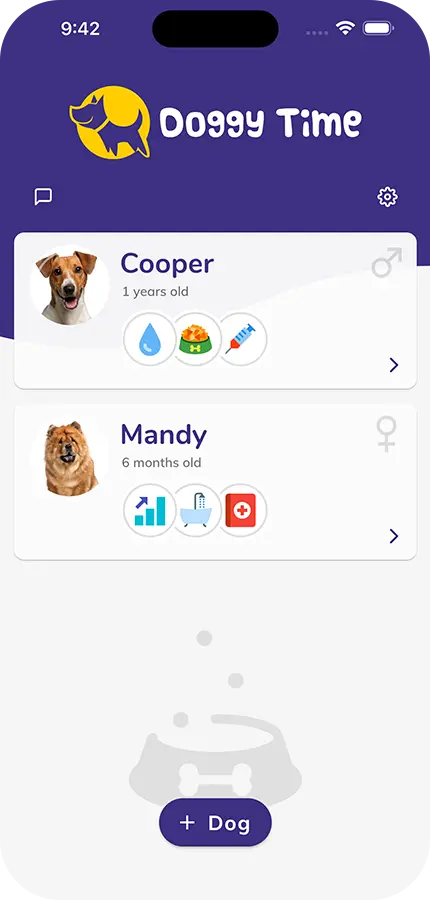
- Download a tracking app to share easy-to-read reports with your vet during your visit.
Navigating puppyhood is a messy, exhausting, but ultimately rewarding journey. By keeping a close eye on the details and maintaining open communication with your vet, you can ensure those puddles are just a temporary part of growing up. You’ve got this, and soon enough, you’ll be looking back at that long list of pee breaks as a distant memory of the early days.
Disclaimer: This blog post is for informational purposes only and does not constitute professional veterinary advice. If you are concerned about your puppy’s health or behavior, please consult a licensed veterinarian for a proper diagnosis and treatment plan.
For an easier way to manage this tracking, consider using the Doggy Time app. It helps you collaborate with family members on logging pet activities, training, and health items, and features smart alarms and scheduling to keep everyone on the same page. Doggy Time is a daily activity tracker, training assistant, health log, and diary that works for all your pets—from puppies to parrots, kittens to chinchillas.