Es gibt eine ganz spezielle Art von Panik, die einsetzt, wenn man seinen geliebten Hund im Hinterhof erwischt, der mit wedelndem Schwanz fröhlich einen ‚Snack‘ verzehrt, der definitiv kein Hundefutter ist. Es ist ein peinlicher, magenverstimmender Moment, der uns oft verzweifelt fragen lässt, was mit unserem pelzigen besten Freund los ist. Bevor Sie in Panik oder Scham verfallen, atmen Sie tief durch: Dieses Verhalten, wissenschaftlich als Coprophagie bekannt, ist in der Hundewelt tatsächlich äußerst verbreitet. Während es für uns Menschen zweifellos eklig ist, hat es für Ihren Hund einen Sinn – und die gute Nachricht ist, dass Sie die Angewohnheit mit etwas Geduld und Konsequenz effektiv eindämmen können.
🧠 Ursachen verstehen
Um das Problem zu lösen, müssen wir zunächst verstehen, warum es überhaupt passiert. Die Beweggründe dafür, Kot zu fressen, unterscheiden sich oft zwischen Welpen und erwachsenen Hunden und reichen von natürlichen Instinkten bis hin zu Hilferufen.
- Folgen dem Beispiel der Mutter, da Welpen oft deren Verhalten nachahmen, den Unterschlupf zu säubern, um Gerüche zu beseitigen, die Raubtiere anlocken könnten.
- Erforschen aus schlichter Neugier, da Welpen die Welt mit dem Mund erkunden und Kot noch nicht von Nahrung unterscheiden können.
- Decken Ernährungslücken, da eine Ernährung, die bestimmte Vitamine, Mineralstoffe oder Enzyme fehlen lässt, Hunde dazu verleiten kann, Nährstoffe im Kot zu suchen.
- Bekämpfen Langeweile, denn ein Hund, der allein im Hof ohne Beschäftigung bleibt, könnte das Fressen von Kot als reizvolle Zeitvertreibung empfinden.
- Suchen Aufmerksamkeit, da sogar negative Aufmerksamkeit – wie Sie, die schreiend herbeilaufen und „Nein!“ rufen – für manche Hunde besser ist, als ignoriert zu werden.
🩸 Die tatsächlichen Gesundheitsrisiken
Obwohl das Verhalten natürlich ist, birgt es gesundheitliche Konsequenzen für Ihren Hund. Es ist wichtig, die potenziellen Risiken zu kennen, damit Sie schnell handeln können, um Ihr Haustier zu schützen.
- Erwerben Darmparasiten wie Spulwürmer oder Hakenwürmer, die häufig über Kot übertragen werden.
- Stecken sich mit Viren wie Parvovirus an, das hoch ansteckend ist und lange Zeit im Boden überleben kann.
- Nehmen Medikamentenrückstände auf, wenn der Kot von einem anderen Hund stammt, der mit Medikamenten behandelt wird, die für Ihren Hund giftig sein könnten.
- Entwickeln Magen-Darm-Beschwerden, was zu Erbrechen oder Durchfall führt, da die Bakterien im Kot ihr Verdauungssystem stören.
Haftungsausschluss: Dieser Blogbeitrag enthält allgemeine Informationen und ersetzt keinen professionellen tierärztlichen Rat. Wenn Ihr Hund plötzliche Verhaltensänderungen, Lethargie oder Verdauungsprobleme zeigt, konsultieren Sie bitte unverzüglich Ihren Tierarzt.
🧹 Sofortige Reinigung und Management
Die effektivste Methode, das Verhalten zu stoppen, ist es, die Gelegenheit von vornherein zu verhindern. Management ist Ihre erste Verteidigungslinie gegen diese hartnäckige Angewohnheit.
- Heben Sie den Kot im Garten unmittelbar nachdem Ihr Hund sein Geschäft verrichtet hat, auf, um die Versuchung vollständig zu beseitigen.
- Halten Sie Ihren Hund an der Leine während Spaziergängen, um ihm physisch zu verhindern, ‚Straßen-Snacks‘ zu verschlingen, bevor Sie reagieren können.
- Reinigen Sie die Katzentoilette täglich oder stellen Sie sie hinter ein Treppenschutzgitter, da Katzenkot aufgrund seines hohen Proteingehalts oft als besonders wertvolle Leckerei gilt.
- Überprüfen Sie Ihren Garten regelmäßig auf Tierkot, besonders wenn Sie in einem Gebiet leben, das häufig von Rehen, Kaninchen oder streunenden Katzen aufgesucht wird.
🥒 Geschmacksabschreckende Strategien
Es gibt Produkte und Hausmittel, die Kot ungenießbar schmecken lassen und so Ihren Hund davon abhalten sollen, ein zweites Mal zuzubeißen. Diese wirken am besten in Kombination mit gründlicher Reinigung.
- Geben Sie Fleischzartmacher, der Papain oder Bromelain enthält, ins Hundefutter, wodurch der Geschmack des Kots ungenießbar wird.
- Probieren Sie kommerzielle Coprophagie-Abwehrmittel aus dem Zoofachhandel, die mit bitteren Zusätzen speziell für dieses Problem entwickelt wurden.
- Füttern Sie kleine Mengen Ananasstücke oder Kürbispüree, da es anekdotisch Hinweise darauf gibt, dass diese den Geschmack des Kots verändern können 🍍.
- Sprühen Sie bitteren Apfel direkt auf den Kot im Garten, wenn Sie ihn nicht sofort aufheben können, obwohl dies nur eine vorübergehende Lösung ist.
🎓 Trainingsmethoden, die funktionieren
Training erfordert Konsequenz, bietet aber eine langfristige Lösung, indem es Ihrem Hund beibringt, Kot auf Kommando zu ignorieren. Ziel ist es, einen zuverlässigen Rückruf oder ein ‚Lass es‘-Kommando aufzubauen.
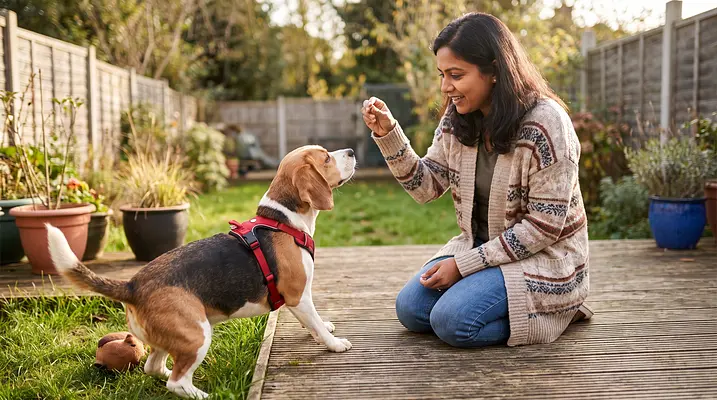
- Bringen Sie das ‚Lass es‘-Kommando bei, indem Sie eine Leckerei in Ihrer geschlossenen Faust halten und Ihren Hund erst belohnen, wenn er aufhört, Ihre Hand zu beschnüffeln.
- Üben Sie das ‚Komm‘-Kommando in der Nähe von Kotansammlungen an einer langen Leine und belohnen Sie Ihren Hund großzügig dafür, dass er sich vom Kot abwendet und zu Ihnen kommt.
- Verwenden Sie hochwertige Leckerlis wie Huhn oder Käse, damit das Kommen zu Ihnen lohnender ist als das Fressen des Kots.
- Bleiben Sie während des Trainings ruhig, da Schreien Ihren Hund ängstigen oder dazu bringen kann, schneller zu fressen, um die ‚Beweise‘ zu ‚verstecken‘.
Auch wenn es nie ein Höhepunkt der Tierhaltung ist, seinen Hund dabei zu erwischen, ist dies ein lösbares Problem. Die meisten Hunde verbessern sich deutlich, sobald ihre Ernährungsbedürfnisse gedeckt sind, ihre Umwelt anregungsreicher wird und ein solides ‚Lass es‘-Kommando etabliert ist. Bleiben Sie konsequent, behalten Sie Ihren Humor bei und denken Sie daran: Ihr Hund will nicht eklig sein – er ist einfach nur ein Hund.
🚀 Schneller Aktionsplan
- Vereinbaren Sie einen Tierarzttermin, um Parasiten und Ernährungsdefizite auszuschließen.
- Reinigen Sie den Garten täglich, um den Zugang zur Versuchung zu entfernen.
- Beginnen Sie mit dem Training des ‚Lass es‘-Kommandos drinnen, bevor Sie es nach draußen verlegen.
- Geben Sie zwei Wochen lang ein abschreckendes Ergänzungsfutter zu den Mahlzeiten, um die Wirksamkeit zu testen.
- Steigern Sie Bewegung und geistige Stimulation, um Langeweile zu reduzieren.
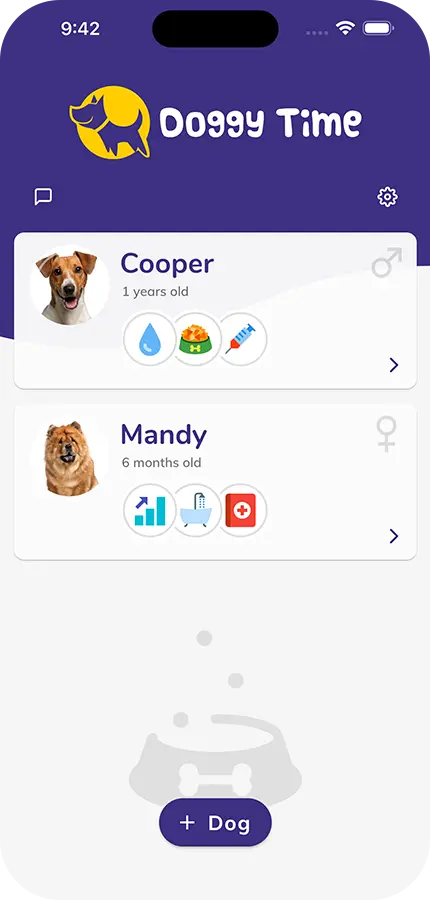
Wenn Sie Schwierigkeiten haben, Ihren Trainingsfortschritt zu verfolgen oder sich daran zu erinnern, wann Sie die Abschreckungsmittel verabreichen sollen, erwägen Sie die Nutzung der Doggy Time App. Sie hilft Nutzern dabei, gemeinsam Aktivitäten, Trainingsfortschritte und Gesundheitsdaten der Haustiere zu dokumentieren – komplett mit intelligenten Alarmen und Planungsfunktionen, damit alle im Haushalt stets auf dem gleichen Stand sind.