It is 2 a.m. The house is perfectly still, the kind of silence that feels heavy. Just as you drift back to sleep, a sharp whimper slices through the quiet. You squeeze your eyes shut, hoping it was a dream, but then it starts again—a high-pitched yip followed by a mournful howl. You lie there, bleary-eyed and desperate, paralyzed by the great puppy owner dilemma: if you go to him, are you teaching him that crying works? If you ignore him, are you abandoning him in his hour of need?
Take a deep breath. You are not alone in this sleep-deprived fog. Nearly every new puppy parent stands in this exact spot at some point, staring at the ceiling and wondering where they went wrong. The good news is that this phase is temporary, and with a little understanding of what is happening inside that crate, you can navigate these long nights with confidence and compassion.
🧠 Why Puppies Cry in the Crate
Understanding the root cause of the noise is the first step toward solving it. Your puppy isn't trying to manipulate you; he is reacting to a world that has suddenly changed.
- Feel the stress of separation from their littermates and mother for the first time.
- Experience a natural fear of isolation, as dogs are social animals wired to be near their "pack."
- React to the loss of control over their environment, which can feel scary and unpredictable.
- Express a physical need, such as a bathroom break or hunger, because their bladders are small and their schedules are fast.
🚨 Decoding the Cry: Protest vs. Panic vs. Potty
Not all crying is created equal, and learning to distinguish the sounds will save you countless hours of sleep. Listen closely to the tone and intensity before you act.
- Identify protest crying as intermittent, attention-seeking barking or whining that stops and starts with pauses to listen for your reaction.
- Recognize panic or anxiety as continuous, high-pitched screaming or panting that doesn't stop, often accompanied by drooling or attempts to escape the crate.
- Spot a genuine potty need as whimpering that sounds urgent but not frantic, often happening shortly after they have fallen asleep or after a long stretch of quiet.
- Check the clock to see if enough time has passed for a bathroom break, usually every 3-4 hours for a young puppy.
🚫 What Not to Do: Common Mistakes
When you are exhausted, it is easy to fall into traps that actually make the problem worse. Avoid these common pitfalls to ensure you don't extend the crying phase longer than necessary.
- Avoid yelling at the puppy or banging on the crate, as this creates fear and increases anxiety.
- Refrain from letting the puppy out the moment the crying starts, as this teaches them that noise opens the door.
- Do not give in and let the puppy sleep in your bed unless you are committed to that arrangement forever.
- Skip the late-night play sessions, keeping interactions boring and calm so the puppy learns that nighttime is for sleeping.
🌙 A Settle-In Routine for a Quiet Night
A smooth evening routine sets the stage for a restful night. By tiring your puppy out and meeting his needs before the crate door closes, you reduce the likelihood of protest crying.
- Exercise your puppy lightly about an hour before bed to burn off the "zoomies" without overstimulating him.
- Offer a small snack or treat right before bed to settle a rumbling tummy and encourage sleepiness.
- Take a final potty break immediately before crating, ensuring the bladder is completely empty.
- Place a piece of clothing with your scent near the crate to provide comfort and a sense of proximity.
- Cover the crate with a breathable blanket to block visual distractions and create a cozy, den-like atmosphere.
⏱️ How Long Does the Crying Last?
You might be wondering if you will be listening to solos at 2 a.m. for the next year. Rest assured, crate training is a temporary hurdle, and consistency is the key to success.
- Expect the adjustment period to last anywhere from a few days to three weeks depending on the puppy's age and temperament.
- Anticipate that most puppies will settle into a routine within two weeks if the rules remain consistent.
- Notice a significant reduction in crying once the puppy views the crate as a safe, relaxing space rather than a place of isolation.
- Remember that setbacks can occur during teething or growth spurts, requiring a brief return to basics.
📝 Your Quick Action Plan
- Exercise your puppy lightly an hour before bed to ensure he is tired.
- Take him out for a final potty break right before you put him in the crate.
- Ignore protest crying unless it escalates to panic or a bathroom need is suspected.
- Respond to genuine potty needs quietly, keeping the lights off and interactions boring.
- Reward silence calmly with a soft word or a treat dropped through the bars when he settles.
The 2 a.m. wake-up calls feel endless in the moment, but they are simply the growing pains of a new bond. By staying calm, consistent, and compassionate, you are teaching your puppy that the crate is a safe place to rest and that you are there to meet his needs—even in the middle of the night. Hang in there; quiet nights are just around the corner.
Disclaimer: I am not a veterinarian. If your puppy’s crying is accompanied by other symptoms like lethargy, loss of appetite, or vomiting, please consult your vet immediately to rule out health issues.
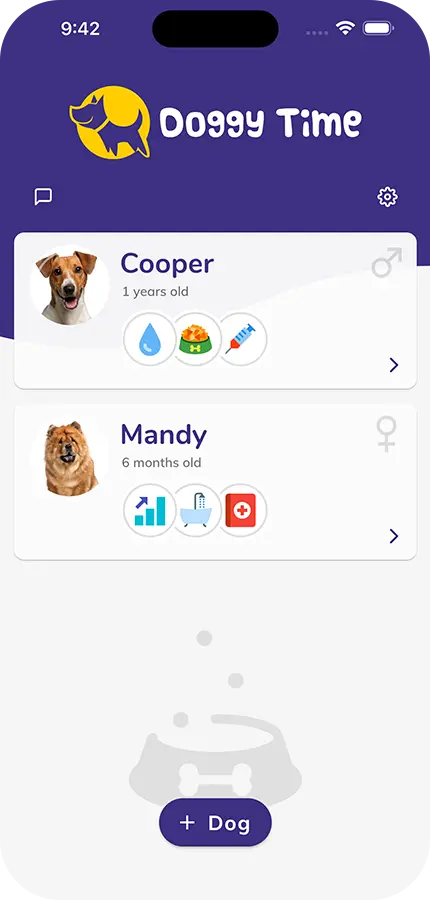
Suggested Tool: To help you track potty breaks, monitor training progress, and coordinate care with family members, consider using the "Doggy Time" app. It features smart alarms and scheduling tools that help you log activities and ensure your puppy’s routine stays on track, making those sleepless nights a little easier to manage.