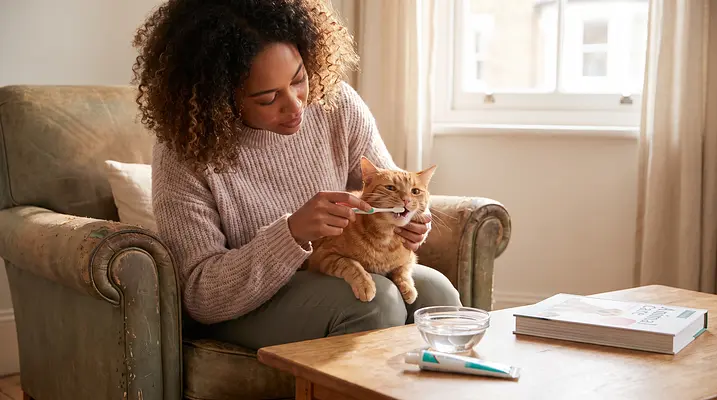
It is a scene that plays out in living rooms everywhere: a cat sits by its food bowl, meowing for dinner, but when the bowl is placed down, the cat simply sniffs it and walks away. We often interpret this as pickiness or a behavioral quirk, but frequently, it is the only visible sign of a mouth full of pain. Cats are evolutionary marvels designed to hide weakness, meaning that by the time they stop eating or start drooling, dental disease has likely been progressing for months or even years. Recognizing the difference between a "finicky" cat and a cat in pain is the first step toward safeguarding their long-term health.
🐱 The Art of Hiding Pain
Cats are experts at masking discomfort, a survival instinct that prevents them from appearing vulnerable to predators in the wild. This means that dental pain, which can range from mild gingivitis to painful tooth resorption, often goes unnoticed by even the most attentive owners until the condition is advanced. Understanding why they hide it helps us realize that silence does not always mean comfort.
- Observe your cat’s eating speed to notice if they are chewing on only one side of the mouth.
- Watch for a sudden preference for soft food over hard kibble, which indicates an attempt to avoid pain.
- Look for "chattering" or unusual jaw movements when your cat is eating or resting.
- Check for subtle behavioral shifts like hiding, lethargy, or a sudden decrease in grooming habits.
- Monitor for bad breath, as a strong odor is never normal and signals bacterial buildup.
🚩 Spotting the Subtle Signs
Because cats cannot tell us their teeth hurt, we must become detectives regarding their daily habits. Dental pain often manifests as changes in routine rather than obvious crying or distress, making close observation critical during mealtime and grooming sessions.
- Drop small pieces of food while eating, often tilting the head to one side.
- Approach the food bowl eagerly but then hesitate or back away after sniffing the food.
- Display a messy chin or chest due to difficulty picking up food or grooming.
- Produce excessive drool that may be tinged with blood or have a thick consistency.
- React aggressively or flinch when touched near the mouth or cheeks.
- Stop purring or vocalizing if the jaw movement causes discomfort.
🪥 Mastering the Brushing Technique
Home dental care is the single most effective way to prevent plaque buildup and costly veterinary procedures. While it may seem daunting at first, most cats can learn to tolerate and even accept tooth brushing if you use a patient, step-by-step approach that respects their boundaries.
- Choose a time when your cat is relaxed, such as after a meal or a play session.
- Gather your supplies, specifically a feline-specific toothbrush or a finger brush and enzymatic cat toothpaste.
- Start by letting your cat lick the toothpaste off your finger to build a positive association with the flavor.
- Gently lift your cat’s lip to touch the teeth and gums with your finger without the brush at first.
- Apply the toothpaste to the brush and use a slow, circular motion on the outer surfaces of the large cheek teeth.
- Brush for just a few seconds initially, gradually increasing the time as your cat becomes more comfortable.
- Reward your cat immediately with a treat, play, or affection to reinforce the experience.
🏥 Understanding Professional Cleanings
Even with diligent home care, most cats will require a professional dental cleaning at some point in their lives. Unlike human dental cleanings, veterinary dental procedures require general anesthesia to allow for a thorough examination below the gumline and safe scaling of the teeth.
- Schedule annual wellness exams that include a specific oral health assessment.
- Ask your veterinarian to explain the pre-anesthetic blood work required to ensure your cat is healthy enough for sedation.
- Request dental X-rays to identify hidden problems like tooth root abscesses or resorptive lesions.
- Understand that the procedure involves scaling, polishing, and fluoride treatment to smooth the enamel.
- Prepare a quiet, warm recovery space at home for your cat to rest after the procedure.
📝 Quick Action Plan
- Lift your cat’s lip today to check for red gums, brown tartar, or broken teeth.
- Purchase a cat-specific toothbrush and enzymatic toothpaste from your local pet store.
- Set a consistent reminder time on your phone to attempt brushing every evening.
- Book a veterinary dental checkup if you notice bad breath or changes in eating habits.
- Log your cat’s daily eating behavior to spot subtle patterns of discomfort.
Caring for our feline friends means looking past their brave faces and addressing the pain they try so hard to hide. By incorporating a simple dental routine and staying alert to the quiet signals of distress, we can ensure our cats live happier, healthier lives. It starts with a quick peek at their teeth and the commitment to keep their smiles pain-free.
Disclaimer: This blog post is for informational purposes only and does not constitute veterinary advice. Always consult with a licensed veterinarian regarding your cat’s health and before starting any new healthcare regimen.
Suggestion: To stay on top of your cat’s dental routine, consider using the Doggy Time app. It helps you collaborate with family members on logging pet activities, set smart reminders for brushing sessions, and track training or health schedules for cats and dozens of other species.