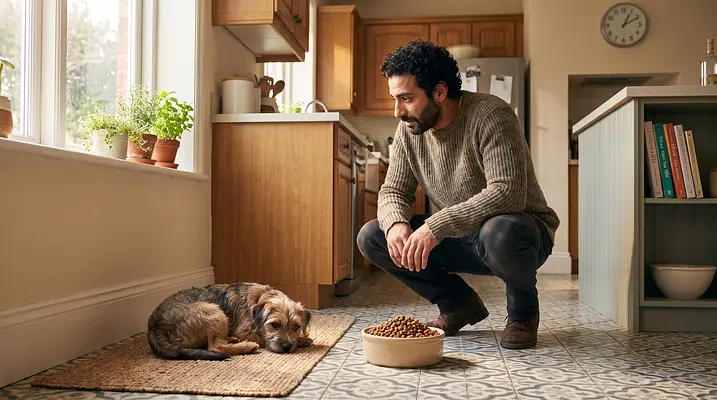
It is 12:30 in the afternoon, and the only sound in the kitchen is the hum of the refrigerator. You poured your puppy’s breakfast hours ago, anticipating the usual scramble of paws on tile and the clatter of the food bowl. Instead, the kibble sits untouched, a mound of frustration and rising anxiety. You find yourself hovering between worry and annoyance, wondering if this is a stubborn protest or a sign that something is truly wrong.
It is a scene that plays out in kitchens everywhere, and that stillness where chaos should be is enough to unnerve any new pet parent. Before you spiral into panic, take a deep breath. While a loss of appetite can be a sign of illness, it is often a temporary reaction to environmental changes or developmental milestones. Let’s walk through the common culprits, the red flags, and the practical steps you can take to get that tail wagging over the food bowl again.
🦷 Teething and Discomfort
Just like human babies, puppies go through a teething phase that makes eating feel like a chore rather than a joy. Sore gums can turn crunchy kibble into a painful experience, leading to a sudden refusal to eat even if they acted hungry moments before.
- Check your puppy’s mouth for swollen, red gums or missing baby teeth.
- Soak their regular kibble in warm water or low-sodium broth to soften it into a mash.
- Offer frozen wet washcloths or ice cubes to numb the gums before mealtime.
- Avoid hard chews or bones until the adult teeth have fully settled.
😟 Stress and Environmental Changes
Puppies thrive on routine, and a sudden change in their environment can send their appetite into hiding. Whether it is a new home, a new pet, or simply a change in your work schedule, stress manifests physically in young dogs.
- Maintain a strict schedule for feeding, walks, and playtime to build confidence.
- Feed your puppy in a quiet, low-traffic area away from loud appliances or other animals.
- Stay calm and positive during meals, as your anxiety can transfer to your pup.
- Allow them to decompress for 30 minutes after a stressful event, such as a car ride or vet visit, before offering food.
🍲 Food Changes and Picky Habits
It is tempting to switch foods the moment a puppy turns up their nose, but this can inadvertently teach them that holding out yields better options. Sudden diet changes can also upset their delicate digestive systems, causing them to avoid the bowl altogether.
- Transition to a new food gradually over 7 to 10 days by mixing increasing amounts of the new food with the old.
- Stick to one brand and flavor for at least a few weeks to establish a baseline.
- Pick up the food bowl after 15 minutes if they haven't eaten, and do not offer treats or table scraps until the next scheduled meal.
- Avoid adding "toppers" like cheese or chicken every night, as this creates a dependency on high-value rewards.
☀️ Hot Weather Effects
When the mercury rises, it is natural for a puppy’s appetite to dip. Digestion generates body heat, and in the summer months, your pup may simply prefer to stay cool rather than expend energy on a heavy meal.
- Feed your puppy during the coolest parts of the day, such as early morning or late evening.
- Ensure they have access to fresh, cool water at all times to prevent dehydration.
- Consider feeding smaller, more frequent meals to reduce the metabolic effort of digestion.
- Move the feeding station to a tiled floor or a shaded area of the house.
🚨 Illness Red Flags
While many reasons for skipping a meal are benign, there are distinct signs that indicate your puppy needs medical attention. Puppies have less reserve than adult dogs, so distinguishing between "picky" and "sick" is vital.
- Monitor for vomiting or diarrhea, especially if blood is present.
- Look for lethargy or a lack of interest in toys, walks, or interaction.
- Check for pale gums, which can indicate anemia or poor circulation.
- Note if they are refusing water in addition to food, as dehydration sets in quickly.
⏳ Safe Fasting Windows by Age
A healthy adult dog can safely skip a meal or two without issue, but puppies are a different story. Their blood sugar levels can drop rapidly, leading to hypoglycemia, so knowing the safe limits for your pup's age is critical.
- Allow puppies under 12 weeks to skip no more than one meal before contacting a vet.
- Monitor puppies between 3 and 6 months closely if they skip more than two meals.
- Consider a vet visit if a puppy over 6 months refuses food for more than 24 hours.
- Offer a high-calorie supplement gel if a young puppy misses a meal to boost blood sugar.
🍗 Tempting Strategies Without Spoiling
You want to encourage your puppy to eat, but you don't want to create a monster who demands filet mignon every night. The goal is to make the current food more appealing without changing the menu entirely.
- Warm the food slightly to release aromas that stimulate the appetite.
- Add a spoonful of low-sodium chicken broth or a teaspoon of plain canned pumpkin to the kibble.
- Use puzzle feeders or snuff mats to make mealtime a mentally stimulating game.
- Hand-feed a few pieces of kibble to jumpstart the eating process, then place the rest in the bowl.
📞 When to Call the Vet
Sometimes, home remedies aren't enough, and professional intervention is necessary. If your intuition tells you something is wrong, it is always better to err on the side of caution.
- Call your vet immediately if your puppy is vomiting repeatedly or has explosive diarrhea.
- Schedule a same-day appointment if your puppy is lethargic, unresponsive, or running a fever.
- Contact the clinic if you suspect your puppy has eaten a foreign object or a toxic substance.
- Seek advice if the refusal to eat is accompanied by coughing, sneezing, or discharge from the eyes or nose.
Seeing your puppy refuse food is stressful, but in most cases, patience and a little investigation will reveal a simple solution. By understanding the difference between a picky phase and a medical emergency, you can act quickly and confidently. Remember, you know your puppy best—if their behavior seems off, trust your gut and call your vet.
Quick Action Plan
- Inspect your puppy’s mouth for signs of teething pain or swelling.
- Set a strict 15-minute limit for meals, removing the bowl if they don't eat.
- Check the environment for stressors or high temperatures affecting appetite.
- Monitor for red flags like vomiting, diarrhea, or lethargy.
- Contact your vet immediately if a puppy under 12 weeks skips more than one meal.
Disclaimer: This blog post is for informational purposes only and does not constitute veterinary advice. If you are concerned about your puppy’s health or eating habits, please consult a licensed veterinarian.
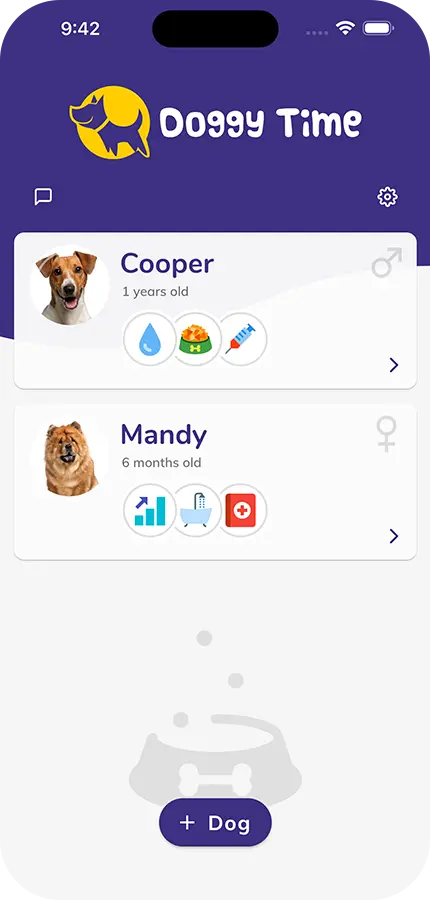
For extra peace of mind, consider using the Doggy Time app to collaborate on logging your pet's activities. It helps you track training progress, set smart alarms for feeding times, and monitor health logs, ensuring everyone in the household stays on the same page regarding your puppy's care schedule.