The house is silent except for the hum of the refrigerator and the nervous thumping of your own heart. It is 2:00 AM, and you are kneeling on the living room rug beside your best friend. Your dog looks up at you, eyes wide and uncertain, and you place a hand on his flank. He feels wrong, but you can’t quite pinpoint why. The emergency vet is twenty minutes away and expensive, but your regular clinic opens in five hours. You find yourself paralyzed in the quiet dark, asking the question every pet owner dreads: Is this serious enough to wake up the doctor, or can it wait until morning?
It is a terrifying moment of indecision. While no one wants to overreact to a simple upset stomach, the reality is that dogs are masters at hiding their pain, and some conditions turn fatal within hours. Knowing the difference between a "watch and wait" situation and a life-threatening emergency can literally save your dog's life. Here is a guide to the warning signs that demand immediate action, helping you make that critical call with confidence.
🏥 The "Better Safe Than Sorry" Rule
Before diving into specific symptoms, it is vital to understand the golden rule of pet emergencies. Veterinary professionals would always rather see a healthy dog sent home than a critical one arriving too late. Trusting your gut is often your best diagnostic tool; you know your dog’s normal behavior better than anyone else.
- Call your vet or an emergency clinic immediately if you feel something is "off" or wrong.
- Describe the symptoms clearly to the medical staff to get professional guidance on urgency.
- Transport your dog safely by keeping them warm and calm during the drive.
🎈 Recognizing Bloat (GDV)
Bloat, clinically known as Gastric Dilatation-Volvulus (GDV), is one of the most sudden and deadly emergencies a dog can face. This occurs when the stomach fills with gas and twists on itself, cutting off blood flow. It can kill a healthy dog in a matter of hours, making immediate recognition and action non-negotiable.
- Look for a distended or "bloated" abdomen that feels hard and tight like a drum 🥁
- Watch for unproductive retching, where the dog attempts to vomit but nothing comes up.
- Observe extreme restlessness, pacing, or an inability to get comfortable lying down.
- Note excessive drooling or panting that indicates severe pain and distress.
- Rush to the vet immediately if you see these signs, as surgery is required to save their life.
🫁 Breathing Difficulties
Respiratory distress is a clear indicator that your dog is in critical condition and cannot wait for an appointment. Unlike humans, dogs cannot tell us they are short of breath, so we must rely on visual cues. Any struggle to get oxygen into the lungs is a red flag that requires immediate medical intervention.
- Listen for loud, harsh, or wheezing sounds when your dog inhales or exhales.
- Look for extended neck posture, as if your dog is trying to stretch their airway open.
- Check for blue or pale gums, which indicate a dangerous lack of oxygen in the blood.
- Observe excessive panting that occurs without exercise or heat exposure.
- Monitor for "orthopnea," where the dog stands with elbows out to expand the chest easier.
🚨 Collapse or Loss of Consciousness
If your dog suddenly collapses, faints, or cannot stand up, this is a major alarm bell that signifies a systemic failure. This symptom points to severe underlying issues such as heart problems, internal bleeding, or neurological failure. Even if your dog seems to recover moments later, the event that caused the collapse is still present and needs urgent diagnosis.
- Check your dog's gums for paleness, which often signals internal bleeding or anemia.
- Note any weakness in the legs or a sudden inability to hold up their own weight.
- Look for a loss of bladder or bowel control during the episode.
- Measure their heart rate if possible, noting if it is extremely slow or racing uncontrollably.
- Transport your dog on a board or blanket to minimize movement if a spinal injury is possible.
☠️ Suspected Poisoning
Dogs are naturally curious creatures, often using their mouths to explore the world, which can lead to accidental ingestion of toxins. From household cleaners to human medications or certain foods like chocolate and grapes, poisoning acts fast. Time is of the essence here, as the sooner the toxin is identified and neutralized, the better the prognosis.
- Search the house immediately for chewed packaging, spilled fluids, or missing food items.
- Collect any remnants of the substance or its packaging to show the veterinarian 📦
- Call the Pet Poison Helpline or your vet for specific instructions before inducing vomiting.
- Do not induce vomiting if your dog is unconscious, having seizures, or if the toxin is corrosive.
- Note the approximate time of ingestion and the estimated amount consumed.
🩺 Other Critical Warning Signs
While the above categories cover the most common life-or-death scenarios, there are other subtle signs that demand urgent care. These symptoms can rapidly deteriorate, leading to shock or organ failure if left untreated overnight. It is better to be overly cautious when these specific issues arise.
- Monitor for seizures, especially if they last longer than a few minutes or occur in clusters.
- Check for extreme lethargy, where the dog is unresponsive to their name or favorite toys.
- Look for a high fever, often accompanied by a hot, dry nose or shivering.
- Observe signs of extreme pain, such as crying out when touched or trembling violently.
- Watch for the inability to urinate, which signals a potentially fatal blockage.
Facing a pet emergency is every owner’s nightmare, but being prepared can make all the difference. By knowing these signs, you are already a step ahead in ensuring your companion gets the care they need. Remember, you are their advocate, and your quick thinking is their best defense. Trust your instincts, keep your vet’s number handy, and never hesitate to seek help when your dog’s life hangs in the balance.
Quick Action Plan
- Save your regular vet’s phone number and the nearest 24-hour emergency clinic address in your phone today.
- Keep a pet-specific first aid kit in your car or an easily accessible spot in your home.
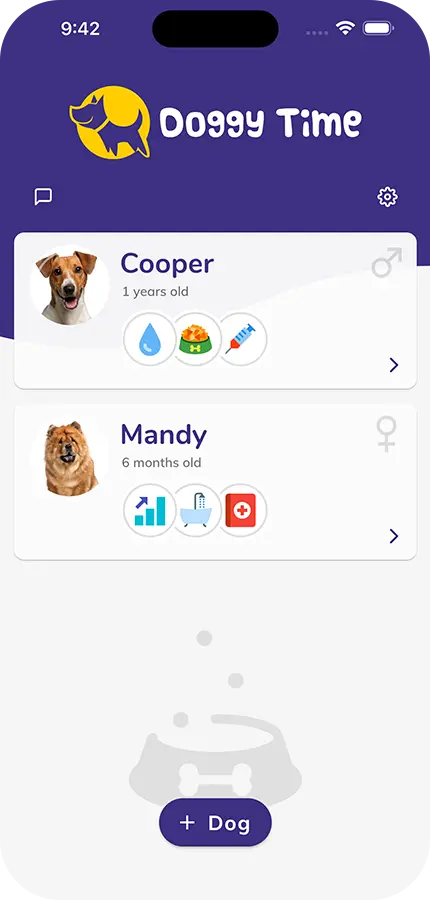
- Download the Doggy Time app to log symptoms, set medication reminders, and track your dog’s health history.
- Post the Pet Poison Helpline number on your refrigerator for immediate access during a crisis.
- Review these warning signs with everyone in your household so everyone knows when to act.
Disclaimer: This blog post is for informational purposes only and does not constitute veterinary advice. If your pet is showing signs of illness or injury, please contact your veterinarian or an emergency animal hospital immediately.
About Doggy Time: Our pet tracker & training log helps you track your pet's daily habits and health. Log training activities, set reminders and create care schedules for dogs, cats, rabbits, birds, reptiles, and 30+ other pet species. Doggy Time is a daily activity tracker, training assistant, health log, pet reminder, activity tracker, and diary that works for all your pets - from puppies to parrots, kittens to chinchillas.