The car ride home was quiet, but the silence that greets you at the front door is heavier. Instead of the joyful, tail-wagging homecoming you might have imagined, your new dog is pressed into the corner of the living room, eyes wide and darting, body trembling. They might refuse to look at you or even take a treat. It is a heartbreaking sight, but it is also a completely normal response to a massive life change. That shut-down behavior isn’t a sign that you made a mistake; it is a sign that your dog is overwhelmed and needs time to decompress.
Bringing home an adult rescue dog is a journey of patience, and understanding the "3-3-3 rule"—three days to decompress, three weeks to learn your routine, and three months to truly feel at home—can be your roadmap to building a bond that lasts a lifetime.
📉 The First Three Days: Decompression Mode
The first few days are about survival, not training. Your dog has just left a noisy shelter environment or a foster home and has no idea who you are or where they are. Expect them to be shut down, refusing to eat, or too scared to go to the bathroom outside.
- Keep the home environment quiet by limiting visitors and turning off loud televisions or music.
- Set up a safe zone, such as a crate or a quiet corner with a bed, where the dog can retreat without being disturbed.
- Offer high-value treats like boiled chicken or cheese by tossing them gently near the dog without forcing interaction.
- Take the dog outside for bathroom breaks on a short leash in a fenced area to prevent flight risks.
- Avoid introducing new people or other pets during this initial adjustment window to keep stress hormones low.
🔄 The First Three Weeks: Learning the Routine
After the initial shock wears off, you might see a "honeymoon phase" where the dog is calm, or you might see their true personality emerge—quirks, bad habits, and all. This is when your dog starts to realize this isn't just a stopover; this is home. They will begin to look to you for guidance, and structure becomes your best friend.
- Establish a strict daily schedule for feeding, walks, and potty breaks to build predictability and trust.
- Start basic training using positive reinforcement to teach house manners and simple commands like "sit" or "stay."
- Watch for behavioral shifts as the dog becomes more comfortable, such as testing boundaries or showing anxiety.
- Begin a routine of brief, positive handling sessions to get the dog used to being touched for grooming or vet visits.
- Introduce new experiences slowly, such as short car rides or walks in quiet parks, to build confidence without overwhelming them.
🏠 The First Three Months: Building Trust and Bonding
By the three-month mark, the real work begins. The dog’s true personality is now shining through, and they should finally feel secure enough in their environment to relax. This is often when separation anxiety or deeper behavioral issues might surface, but it is also when the deep bond between human and dog solidifies.
- Expand socialization opportunities by visiting busier parks or arranging playdates with calm, vaccinated dogs.
- Practice longer periods of alone time to ensure the dog feels safe when left at home.
- Reinforce training commands in different environments to proof behaviors against distractions.
- Schedule a comprehensive health checkup with your veterinarian to address any lingering health issues.
- Celebrate the small victories, like the dog coming to you for affection or playing with a toy for the first time.
🩺 A Note on Health and Safety
While behavioral adjustments take time, physical health is the foundation of a happy life. Rescue dogs often come with unknown medical histories, so a vet visit within the first week is crucial.
- Bring a fresh stool sample to the vet to test for internal parasites common in shelter environments.
- Discuss vaccination schedules and spay/neuter recovery protocols if they were recently altered.
- Keep the dog on a leash in unfenced areas until a reliable recall is established to prevent accidents.
Disclaimer: I am a pet care enthusiast, not a veterinarian. The advice in this post is for educational purposes and should not replace professional veterinary guidance. Always consult your vet for medical concerns.
📝 Quick Action Plan
- Set up a designated quiet space with a bed, water, and a blanket before the dog arrives.
- Purchase high-value treats to encourage initial bonding and positive associations.
- Book a "new pet" appointment with your local veterinarian for the first week.
- Draft a simple daily schedule for feeding and walks to start on day one.
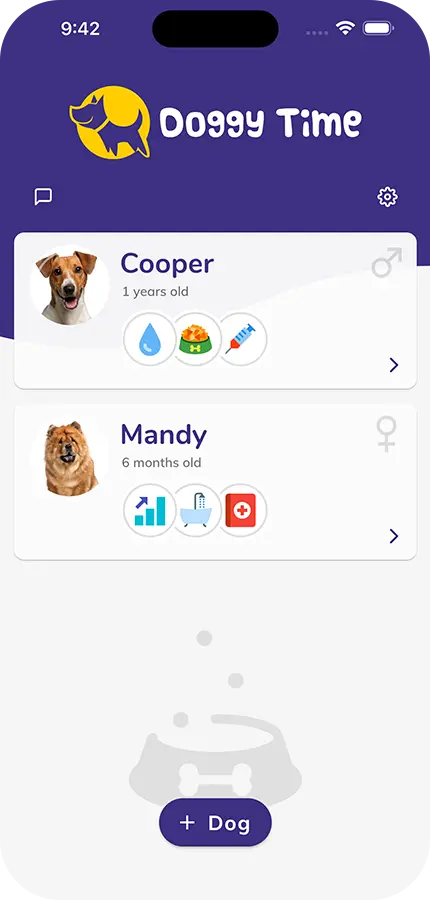
- Install the Doggy Time app to log activities and track progress during the transition.
Bringing a rescue dog home is a messy, rewarding, and life-changing experience. That scared dog in the corner on day one will slowly transform into a loyal companion who greets you at the door with a wagging tail. It takes patience, but the love of a rescue dog is always worth the wait.
Suggested Tool: To help you stay on track during these critical first few months, consider using the Doggy Time app. It helps you collaborate with family members on logging pet activities, training milestones, and health records. With smart alarms and scheduling features, you can ensure your new family member stays on a consistent routine, making the transition smoother for everyone involved.